
Issue 01 · The Sales Pitch · Brochures & Manuals
Why Car Brochures Were Art-Directed Like Fashion Shoots
For thirty years the most expensive photography in Britain was not in magazines. It was in something given away free at a dealership.
The budget nobody talks about
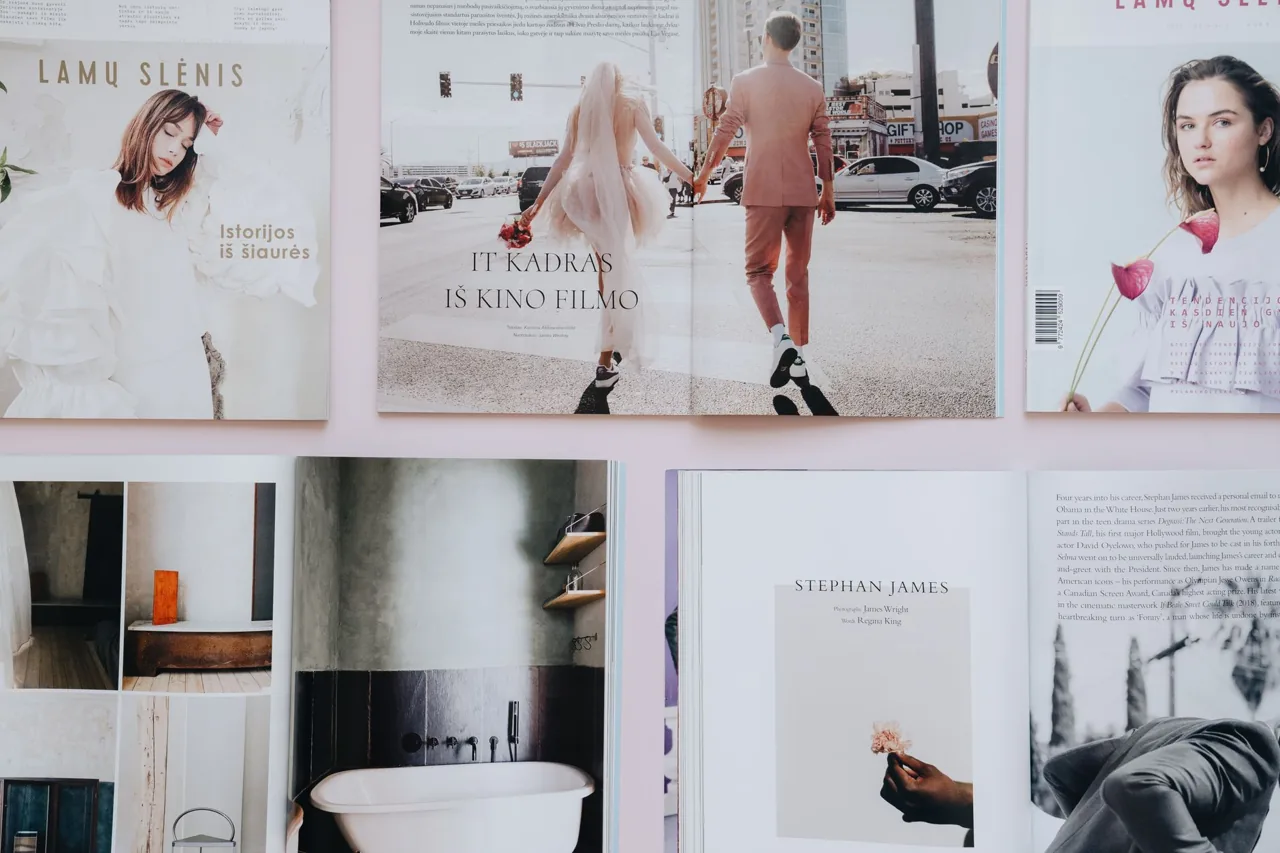
A manufacturer launching a car in 1965 would commission a brochure with the same seriousness a fashion house brought to a lookbook. Location shoots abroad, a named photographer, custom typography, specially mixed inks and paper chosen by hand.
The object was then given away to anyone who walked into a showroom. It is one of the odder economies in twentieth-century print: the most lavishly produced item in the chain was the one with no cover price.
Why it was worth it
A car was the second largest purchase most households ever made and the decision took months. The brochure went home, sat on a coffee table and was looked at repeatedly by people who were not in the showroom, which is to say by the rest of the family.
It had to do the work of a shop window in a living room. That is a genuinely hard brief and it explains the production values: the object had to feel like the car felt, because it was standing in for the car.
It is also why so many of them survive. People kept them, in a way nobody keeps advertising, because they had been treated as something worth keeping.
The house styles
Each manufacturer developed a recognisable grammar. British Leyland used a lot of white space and small, dry captions. Citroen commissioned illustration long after everyone else had moved to photography, and it still looks modern. Porsche shot on white and let the object do the work.
Italian brochures of the period are the outliers and worth seeking out. Pininfarina and Bertone catalogues were designed as objects in their own right, sometimes square, sometimes with die-cut covers, occasionally with no text on the front at all.
The tell of a good one is restraint. A brochure that shouts was made for a car that needed help.
What changed
Two things ended it. Photography got cheap, so the exclusivity of a big location shoot disappeared. And the internet moved the coffee-table stage of the purchase onto a screen, where nobody has ever managed to make paper stock matter.
Modern brochures exist and are mostly configurators printed out. The genre as an art-directed object ran from roughly 1955 to the late 1990s, and it is now a closed set, which is exactly the condition under which people start collecting things.
the National Motor Museum holds a substantial archive of this material and it is worth an afternoon if you are near Beaulieu.
Duncan Ashby, January 2026
Next piece: Paper Stock and the Feel of Money